Dirt Relocation in Atlanta, GA
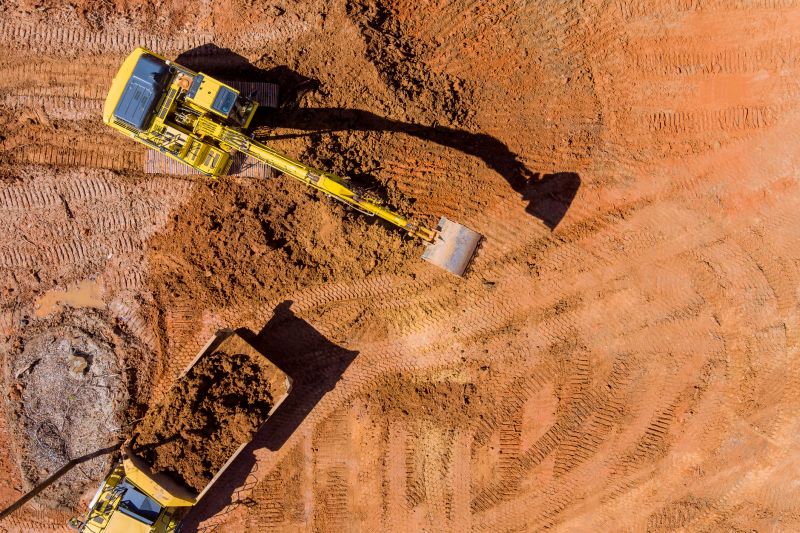
Dirt relocation services involve the movement and redistribution of soil and other earth materials on a property. These services are commonly used for projects such as landscaping, grading, excavation, foundation preparation, and creating level surfaces for lawns, driveways, or patios. Homeowners often request dirt relocation to improve drainage, prepare for new construction, or reshape outdoor spaces to better suit their needs and aesthetic preferences.
Before requesting dirt relocation, property owners should consider the extent of the area that needs work, the type of soil or material involved, and any existing underground utilities or obstacles. Understanding the scope of the project, including how much soil needs to be moved and where it will be placed, helps in planning and ensures the process aligns with the property’s specific requirements. Clear communication about these details can facilitate a smoother and more efficient project.
Many property owners in Atlanta, GA look into Dirt Relocation for repairs, replacements, upgrades, and appearance-related improvements.
Site Preparation And Grading
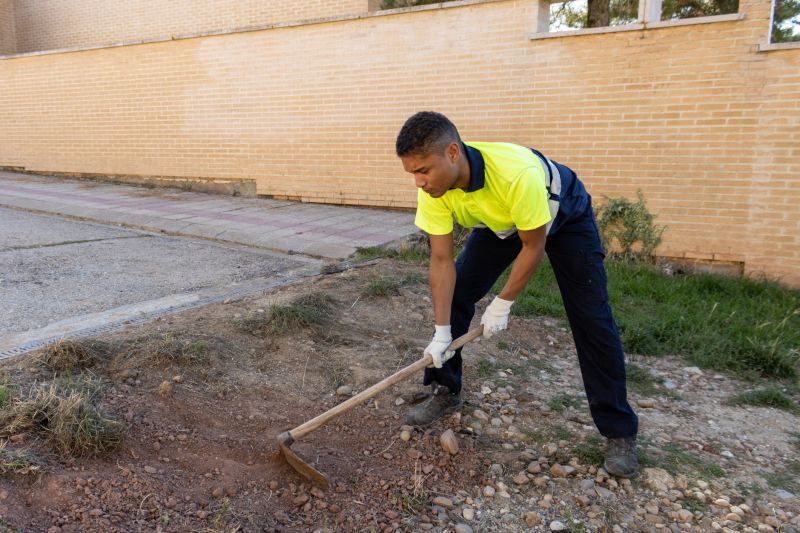
Dirt relocation helps prepare land for construction or landscaping projects in atlanta and nearby areas.
Land Clearing And Leveling
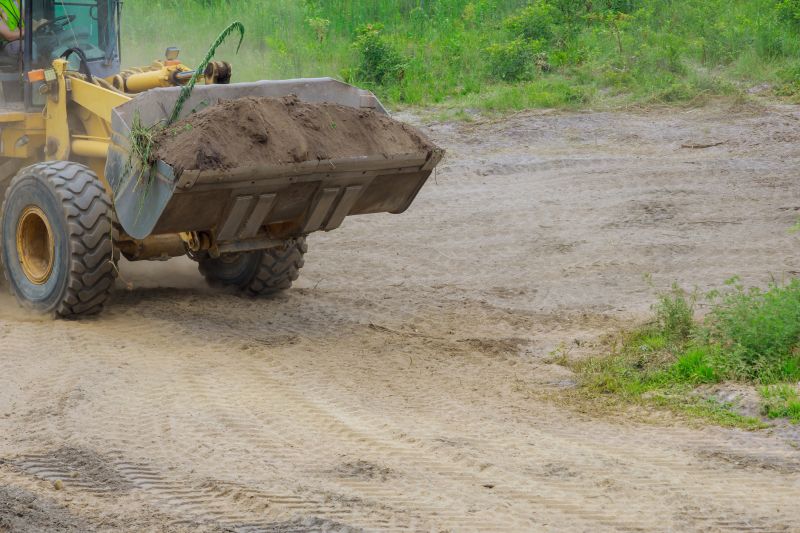
Proper dirt movement ensures a level foundation for driveways, lawns, and building sites.
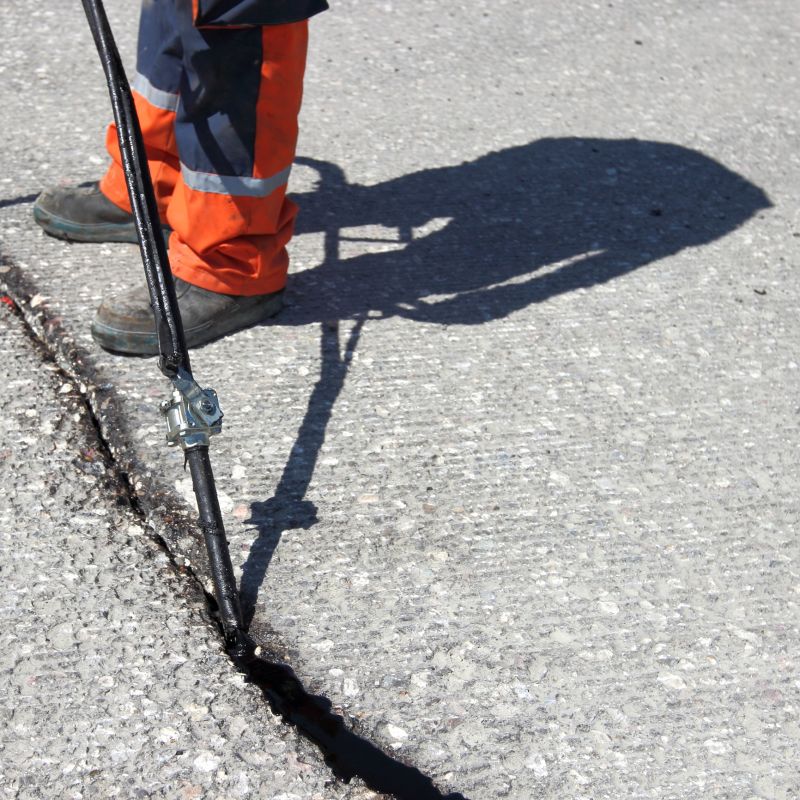
Erosion Control And Drainage
Relocating soil can improve drainage and reduce erosion around residential and commercial properties.
Dirt Relocation in Atlanta, GA
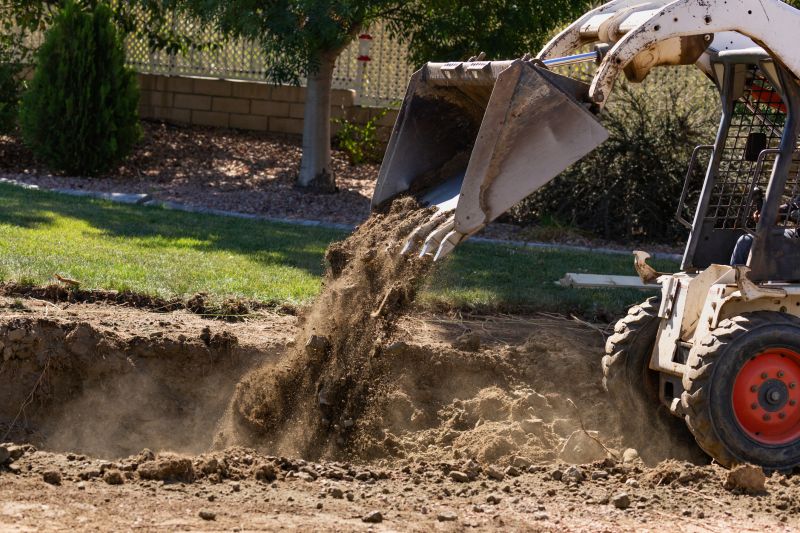
Dirt relocation services involve the movement and redistribution of soil and other earth materials on a property. These services are commonly used for projects such as landscaping, grading, excavation, foundation preparation, and creating level surfaces for lawns, driveways, or patios. Homeowners often request dirt relocation to improve drainage, prepare for new construction, or reshape outdoor spaces to better suit their needs and aesthetic preferences.
Before requesting dirt relocation, property owners should consider the extent of the area that needs work, the type of soil or material involved, and any existing underground utilities or obstacles. Understanding the scope of the project, including how much soil needs to be moved and where it will be placed, helps in planning and ensures the process aligns with the property’s specific requirements. Clear communication about these details can facilitate a smoother and more efficient project.
Many property owners in Atlanta, GA look into Dirt Relocation for repairs, replacements, upgrades, and appearance-related improvements.
Common Dirt Relocation Jobs
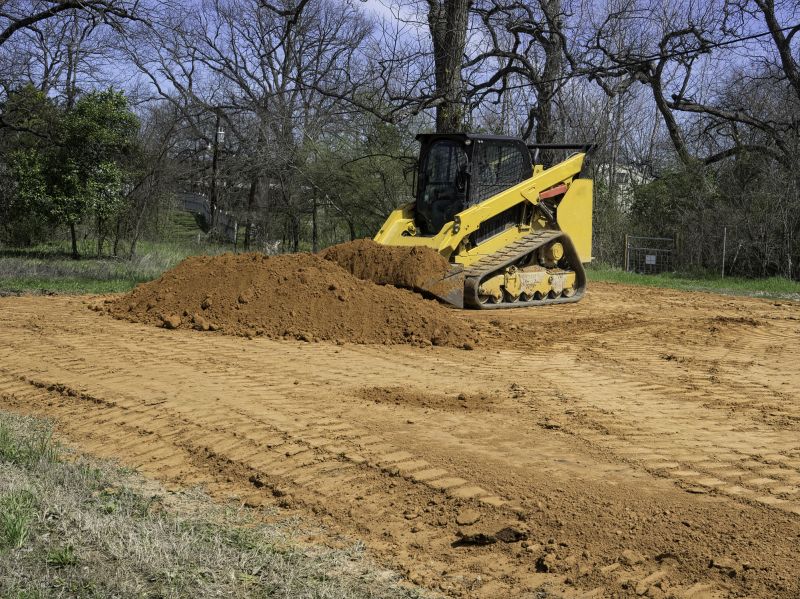
Excavation and Site Preparation - clearing and leveling land for construction or landscaping projects.
Soil Removal and Disposal - removing excess dirt to improve yard grading or create space for new structures.
Basement and Foundation Excavation - preparing the ground for foundation installation or repair.
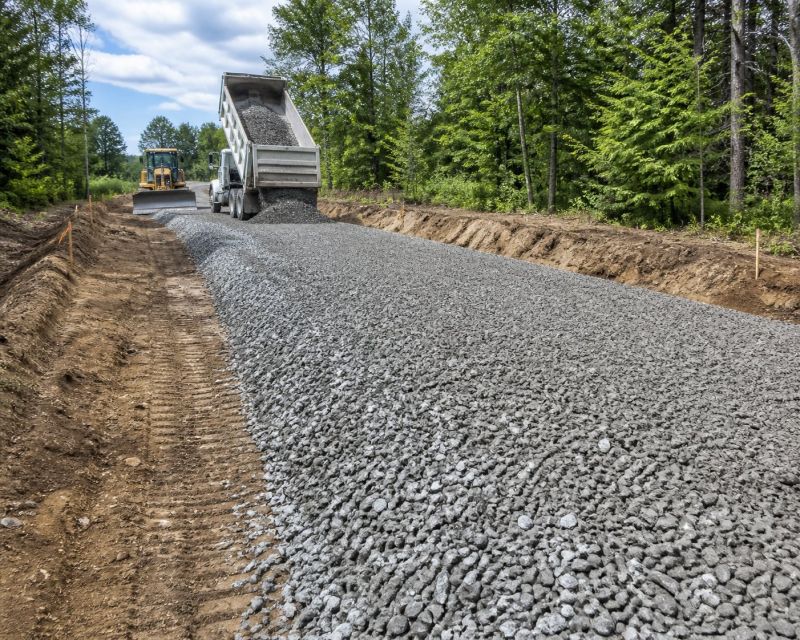
Driveway and Pathway Grading - shaping terrain to ensure proper drainage and a stable surface.
Landscape Reshaping - relocating dirt to contour gardens, lawns, or outdoor features.
Debris and Mud Removal - clearing construction sites or storm-damaged areas for safety and accessibility.
Dirt Relocation Questions
What types of projects require dirt relocation services? Dirt relocation is often needed for grading, landscaping, foundation preparation, and site leveling to ensure proper drainage and stability.
How does dirt relocation benefit property owners? It helps create level surfaces, improves drainage, and prepares the land for construction or landscaping projects.
What should property owners consider before requesting dirt relocation? It's important to assess the amount of soil to move, the purpose of the project, and any local regulations that may apply.
Is dirt relocation suitable for small or large-scale projects? Dirt relocation services can accommodate both small landscaping adjustments and large construction site preparations.
Request Dirt Relocation in Atlanta, GA
Use the quote form on this page to share the basics of your project and request more information for the type of work you need.